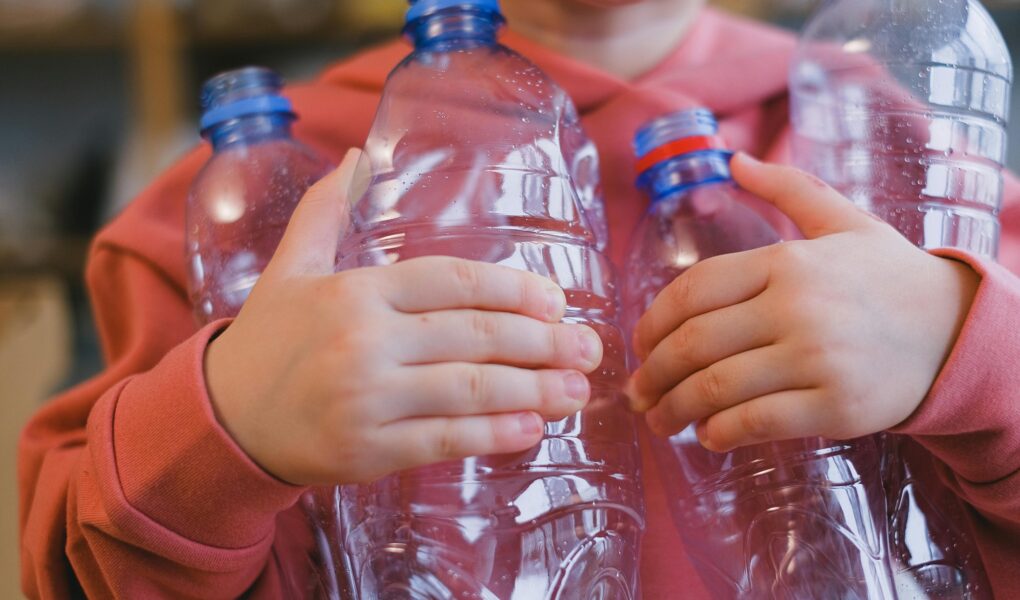
Raising an environmentally conscious child isn’t about creating perfect habits overnight. It’s about nurturing awareness, responsibility and respect for the world around them. Children are naturally curious, and when we guide that curiosity towards caring for the planet, we help them develop values that last a lifetime.
Here are some practical, realistic ways to encourage environmental awareness at home.
Lead by Example
Children learn far more from what we do than what we say. If they see you recycling properly, switching off lights, reusing shopping bags and choosing products thoughtfully, those behaviours become normal to them.
Talk openly about your choices. For example, explain why you’re walking instead of driving a short distance, or why you’re choosing seasonal produce. Simple conversations help children connect everyday decisions with environmental impact.
Spend Time in Nature
A child who feels connected to nature is far more likely to protect it. Regular trips to local parks, woodlands or beaches can build that connection. Encourage them to observe wildlife, notice changing seasons and ask questions about what they see.
Gardening is another powerful tool. Even a small herb pot on a windowsill teaches responsibility and patience. Watching something grow from seed to plant helps children understand the value of natural resources and food production.
Make Recycling and Reducing Waste a Family Habit
Set up clear recycling systems at home and involve your child in sorting materials. Explain what happens to items after they’re recycled and why it matters.
You can also make reducing waste fun. Challenge your family to have a “low waste week”, pack lunch in reusable containers, or repurpose old clothes into craft projects. When sustainability feels engaging rather than restrictive, children are more likely to embrace it.
Teach Thoughtful Consumption
In a world of fast fashion and next-day delivery, teaching children to question what they buy is essential. Encourage them to think before purchasing:
- Do I really need this?
- Can I borrow it?
- Can I buy it second-hand?
Explain the environmental cost of producing new items, from water usage to carbon emissions. This doesn’t need to be overwhelming or negative – it’s about fostering awareness rather than guilt.
Encourage Problem-Solving and Initiative
Empower children to take small actions. They might start a litter-picking group with friends, create posters about saving water, or suggest eco-friendly swaps at home. Giving them ownership builds confidence and reinforces that their actions matter.
Schools often have eco committees or sustainability projects, so encourage participation. When children see collective effort in action, they understand that environmental responsibility is shared.
Keep the Conversation Positive
Climate change and environmental issues can feel frightening, particularly for young people. While it’s important to be honest, balance information with hope. Share stories of innovation, community action and positive change.
Help them see that progress is possible and that even small actions contribute to wider solutions.
Building Lifelong Values
Raising an environmentally conscious child is less about strict rules and more about instilling respect, curiosity and responsibility. By modelling sustainable habits, encouraging connection with nature and promoting thoughtful decision-making, you help your child grow into someone who cares not just about their own future, but the planet’s too.
Small daily actions, repeated consistently, shape values that last a lifetime — and those values are what truly make a difference.