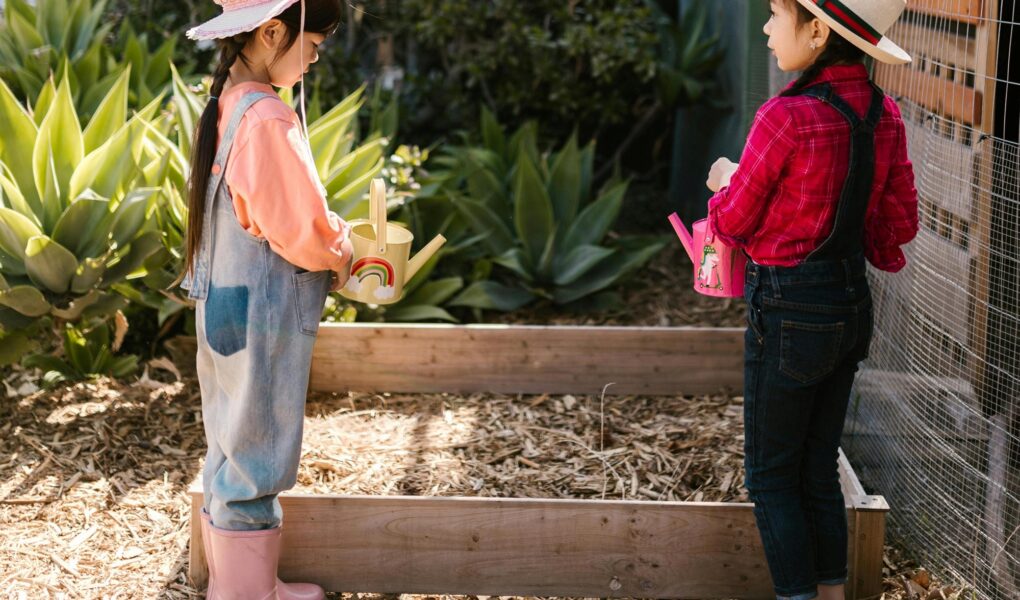
In today’s fast-paced world, children often spend a significant amount of time indoors, glued to screens or focused on academic pressures. While education and technology play essential roles in a child’s development, community involvement offers unique opportunities that cannot be replicated in a classroom. Encouraging children to engage with their local communities helps them develop social, emotional, and cognitive skills that are crucial for their overall growth.
Building Social Skills and Confidence
One of the most immediate benefits of community involvement is the development of social skills. Activities such as volunteering, participating in local sports clubs, or joining community events provide children with opportunities to interact with people of different ages and backgrounds. These interactions help children learn essential life skills such as communication, teamwork, and empathy. By working with others towards a common goal, children gain confidence in themselves and their abilities, which can positively impact their school performance and future career prospects.
Fostering a Sense of Responsibility
When children take part in community activities, they begin to understand the value of responsibility. Whether it’s helping at a local charity, organising a neighbourhood clean-up, or assisting younger children in a school project, these experiences teach children that their actions can make a real difference. Understanding the impact of their contributions encourages a sense of accountability and pride, laying the foundation for responsible behaviour in adulthood.
Promoting Empathy and Compassion
Community involvement exposes children to diverse experiences and challenges faced by others in society. By engaging in activities that support less fortunate individuals or vulnerable groups, children develop empathy and compassion. These experiences help them understand that not everyone has the same opportunities and resources, promoting kindness and inclusivity. Developing emotional intelligence at a young age equips children with the ability to navigate complex social situations and fosters a lifelong commitment to helping others.
Enhancing Personal Growth and Awareness
Participation in community projects allows children to explore their interests, discover new talents, and develop a sense of purpose. For instance, joining a local gardening club or environmental initiative can spark a passion for sustainability, while involvement in arts or sports projects can nurture creativity and discipline. Additionally, children learn valuable problem-solving skills as they navigate real-life challenges, enhancing their adaptability and resilience.
Strengthening Community Bonds
Children who are actively involved in their communities often develop a strong sense of belonging. They come to appreciate the importance of community, feel more connected to their surroundings, and are more likely to become active citizens in the future. A child who grows up valuing community involvement is more likely to contribute positively to society as an adult, creating a cycle of engagement and support that benefits everyone.
Conclusion
Encouraging children to engage with their local communities is more than just a fun activity—it is an investment in their development. Through community involvement, children gain social skills, empathy, confidence, and a sense of responsibility, all of which contribute to their growth as well-rounded individuals. By providing opportunities for children to participate in community life, we are not only enriching their present experiences but also shaping compassionate, responsible, and engaged adults for the future.